
Daily Vitamins
Building a Daily Vitamin D and Magnesium Stack
Marcus Webb
·
·
9 min read
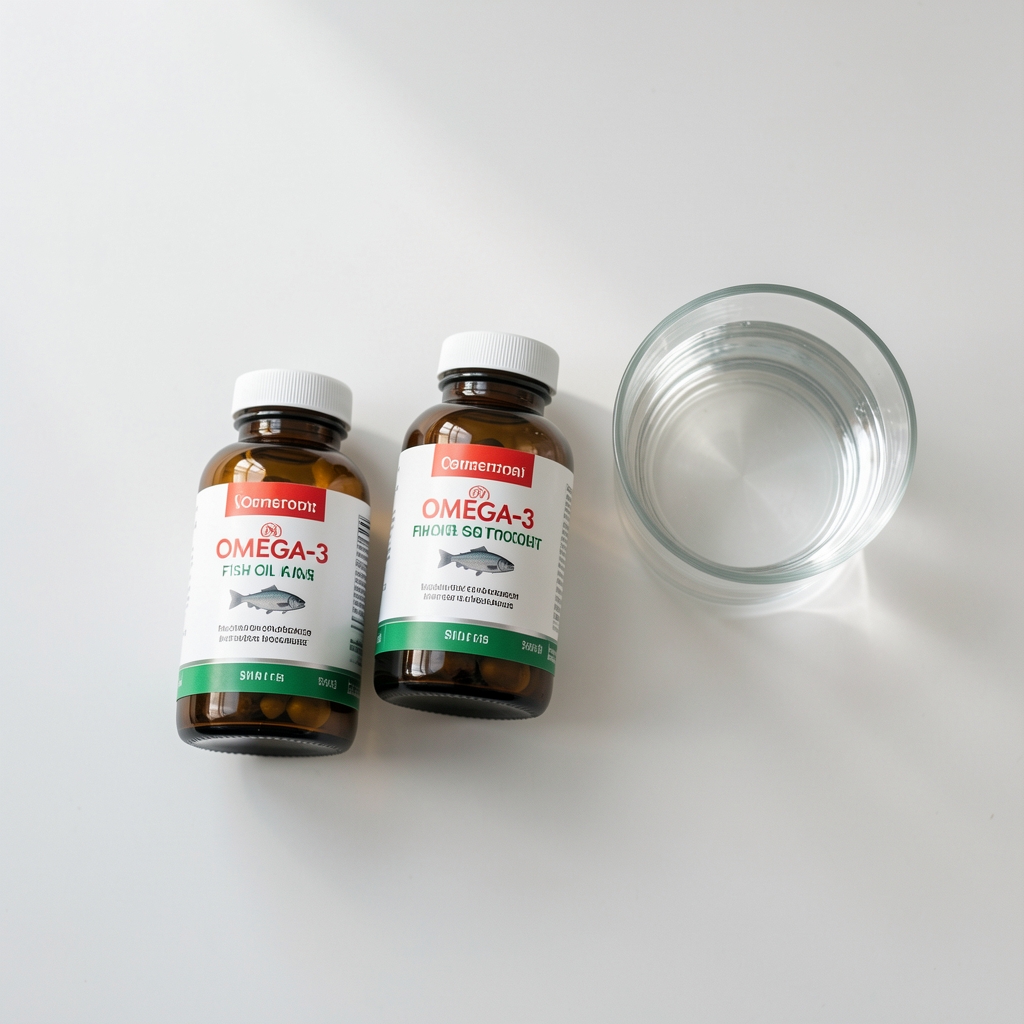
Among the nutrients consistently present in the daily supplement records of active men, omega-3 fatty acids hold a particular position: well-documented in published nutritional research, widely available, and yet frequently underutilised as a component of intentional recovery nutrition in everyday practice.
Omega-3 fatty acids — principally EPA (eicosapentaenoic acid) and DHA (docosahexaenoic acid) — appear regularly in published nutritional research on active men's dietary habits. Their contribution to daily nutritional variety and joint comfort awareness is one of the more consistently documented observations in the nutritional literature available to this publication.
In the context of men's daily nutritional habits, omega-3 tends to occupy a supporting role rather than a central one. It is not the first supplement most active men reach for when constructing a daily stack — that position more often belongs to protein, creatine, or a multivitamin. Yet the published nutritional evidence for omega-3's contribution to joint comfort awareness and recovery nutrition is substantial and warrants more deliberate attention in the average active man's supplement routine.
The editorial approach here is observational. The goal of this field note is not to rank omega-3 against other nutrients in the active man's stack, but to record what the published research says and what the daily supplement journals of active men suggest about how this nutrient is actually used in practice.
"Omega-3's presence in daily supplement habits tends to be quieter than its presence in published research — a gap worth narrowing."
The published nutritional literature is consistent on one point: dietary sources of omega-3 — principally oily fish such as salmon, mackerel, sardines, and anchovies — provide a nutritional context that omega-3 supplements alone do not replicate. The editorial perspective of this publication follows the whole-food-first principle: supplements are observed as additions to a nutritionally varied diet, not replacements for it.
For active men in Indonesia, oily fish is a readily available dietary source. The nutritional habit of building omega-3 intake through a combination of dietary variety and supplementation is, in the editorial view of this publication, preferable to relying on a single high-dose supplement to cover a shortfall in an otherwise omega-3-deficient diet. This observation reflects published guidance from independent nutritional sources rather than any commercial interest in supplement products.
That said, for men whose dietary variety does not reliably include regular oily fish consumption, omega-3 supplementation offers a practical means of addressing the gap. The fish oil supplement market has expanded significantly over the past decade, with published comparisons of concentrated EPA/DHA products now widely available in independent nutritional literature. Krill oil has emerged as an alternative form, with some published research suggesting differences in absorption characteristics, though the body of evidence on this comparison remains smaller than that on standard fish oil.

Recovery nutrition in the gym routine — Jakarta, February 2026
The published nutritional research on omega-3 and joint comfort awareness is one of the more well-established areas in the broader literature on fatty acids and active men's nutrition. The mechanism described in published research involves the role of EPA and DHA in the body's nutritional signalling pathways — a relationship that has attracted sustained research attention over several decades.
For active men engaged in regular resistance training, endurance activities, or high-frequency sport, joint comfort awareness is a relevant variable in the sustainability of long-term activity habits. The editorial observation from reviewing active men's supplement records is that omega-3 tends to be introduced — or increased — at points when joint comfort awareness has become a noticeable factor in daily training continuity. This reactive pattern, while understandable, is not the approach suggested by the published nutritional literature, which points to consistent daily intake as the more relevant variable.
The distinction matters for daily supplement habit building. A nutrient whose principal contribution is felt over weeks and months of consistent intake is ill-served by an intermittent or reactive supplementation pattern. This is the editorial argument for building omega-3 into a daily routine from the outset of intentional supplement practice, rather than treating it as an optional add-on.
Published nutritional research on omega-3 in the context of active men's habits generally examines daily intake figures in the range of 1 to 3 grams of combined EPA and DHA. The editorial approach of this publication is to report these observed ranges from published literature, not to issue specific intake directives. Individual nutritional requirements vary considerably based on dietary background, activity level, and overall nutritional variety.
We recommend speaking with a qualified wellness or nutrition professional before introducing any new habit or routine to daily life, particularly if specific dietary requirements are a factor. This is especially relevant for men who are also taking other supplement compounds, where an awareness of how different nutrients interact within a daily stack is a worthwhile consideration in establishing a coherent nutritional practice.
In the daily supplement records reviewed by this publication, omega-3 is most commonly taken with meals — a timing pattern consistent with published guidance on fat-soluble nutrients. Morning or evening timing appears equally observed in the journals reviewed, with no consistent editorial preference emerging from the available records.
For active men assembling a daily supplement stack, the editorial observation from reviewing published nutritional research is that omega-3 occupies a stable position alongside vitamin D and magnesium as one of the three most consistently documented nutrients in men's supplement habits. It is not a compound whose benefits are dramatic or immediately perceptible — which may account for its underutilisation relative to its presence in published research.
The editorial temperament of Orano Field Notes is drawn to precisely this kind of nutrient: one whose contribution is gradual, documented over time, and embedded in a consistent daily practice rather than a short-term regime. The supplement habits most worth observing and recording are, in the editorial view of this publication, those that reflect a considered long-term approach to nutritional awareness — not those that chase immediate and spectacular results.
Omega-3, taken with meals, integrated into a diet with reasonable dietary variety, and maintained over months rather than days, represents exactly the kind of daily supplement habit this field notes publication was established to observe and record. That is, in the end, why it appears in these pages.

Active routine, early morning — Jakarta, 2026
The active man's recovery routine is built from many variables. Omega-3 is one of the quieter ones — present in the published research, consistent in the daily supplement records of men who use it, and underrepresented in the louder corners of supplement publishing. Orano Field Notes prefers the quieter kind.
Articles published on Orano Field Notes are editorial in nature and reflect the writers' observations on everyday supplementation habits and nutritional awareness for active men. The content is not intended as professional advice, nor as guidance for the management of any specific condition. Readers with specific concerns about their daily routines are encouraged to speak with a qualified wellness professional.

Marcus Webb is the primary editor at Orano Field Notes. His writing focuses on men's daily supplement habits, nutritional awareness, and the evidence-informed intersection of active lifestyle and nutritional practice. Based in Jakarta, Indonesia.