Daily Vitamins
Building a Daily Vitamin D and Magnesium Stack
Marcus Webb
·
·
9 min read

Creatine occupies a singular position in the landscape of men's supplement habits: it is the single most researched compound in the independent sports nutrition literature, with a body of evidence spanning more than three decades, and yet it remains the subject of more uninformed opinion than almost any other nutrient in the popular wellness conversation.
The published nutritional and sports science literature on creatine is extensive. Published research consistently observes creatine's contribution to physical output over time in resistance training routines. The mechanism described in the literature involves creatine's role in the body's energy systems during high-intensity, short-duration physical activity — a relationship that has been studied across a wide range of activity types, training frequencies, and population groups.
From the editorial perspective of Orano Field Notes, creatine is one of the more straightforward compounds to include in a field note on men's supplement habits. The published evidence is unusually consistent for a nutritional supplement. The editorial challenge lies not in assembling evidence for its presence in active men's supplement stacks, but in contextualising it accurately: creatine supports physical output over time, not instantaneously; it works within a consistent training routine, not outside one.
This is the kind of distinction that popular supplement publishing frequently obscures. The editorial approach of this publication is to restore it. Creatine does not perform without the surrounding habits. It supports physical output in the context of regular training. The two are inseparable in the published research, and they are equally inseparable in the daily supplement records of active men.
"Creatine's reputation has long outrun both its genuine contribution and the training habits required for that contribution to be observable."
Creatine monohydrate is the form most extensively studied in published research. The published literature comparing creatine monohydrate to other forms — creatine ethyl ester, buffered creatine, creatine hydrochloride — generally does not find meaningful performance differences in the evidence available. The editorial observation is consistent with the published consensus: creatine monohydrate remains the reference form for daily supplementation based on available research.
Daily intake patterns observed in the supplement records reviewed by this publication typically show creatine as a post-training supplement, dissolved in water or mixed into a post-workout protein routine. Some published research has observed that timing relative to training may have some relevance — though the evidence on this specific question is not as definitive as the broader evidence on creatine's contribution to physical output over consistent use.
Loading protocols — where intake is elevated for an initial period before settling to a maintenance pattern — appear in the published literature and in the daily supplement records of experienced active men. The editorial observation is that loading is not essential for creatine's contribution to physical output to become apparent over time; it primarily accelerates the time to full saturation. For men beginning a daily creatine habit with no particular urgency, a consistent daily amount without a loading phase produces equivalent outcomes over a longer initial period.
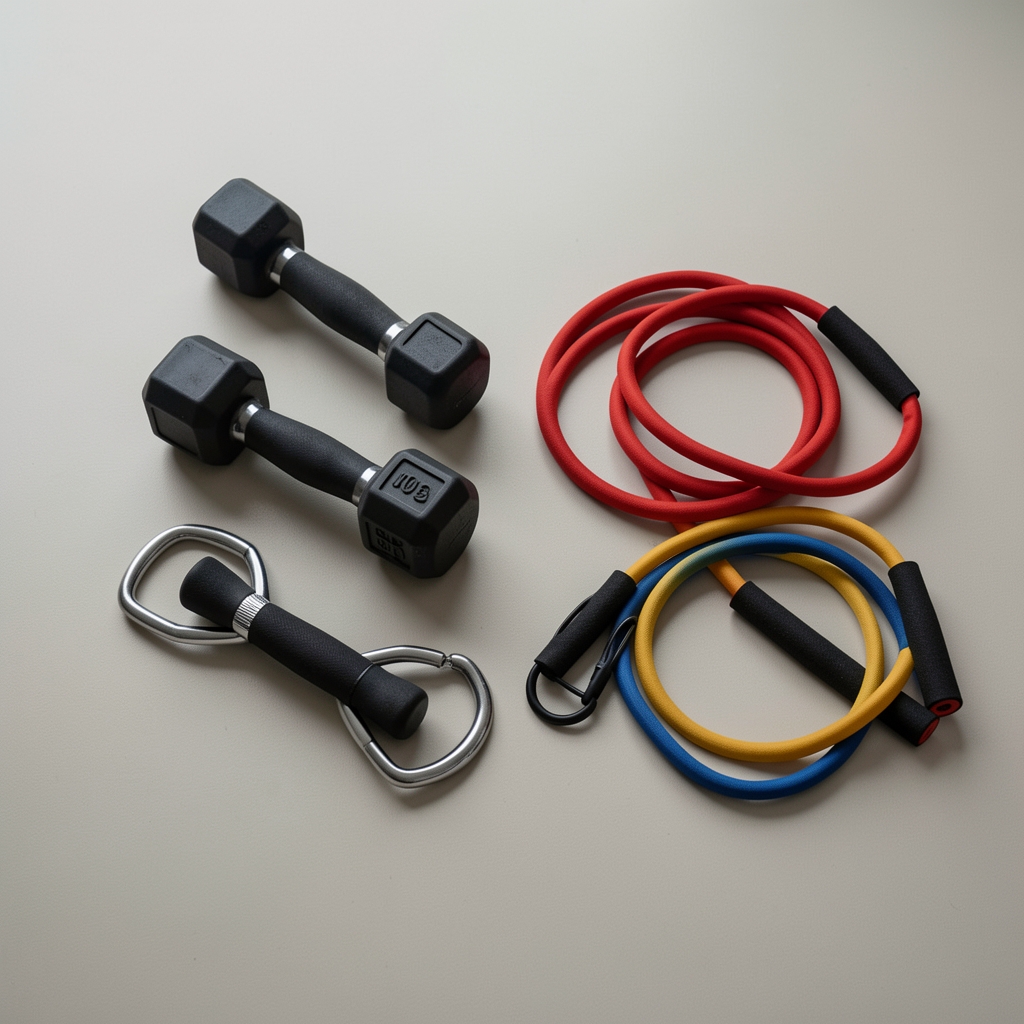
Resistance training context — Jakarta, March 2026
In the daily supplement journals reviewed by this publication, creatine most commonly appears alongside protein supplementation — a pairing that reflects the broader context in which active men use these compounds. Protein and creatine are not redundant; they address different aspects of daily performance and recovery nutrition. Protein supports daily protein intake targets alongside whole foods. Creatine supports physical output over time in resistance training routines. Their co-presence in a daily stack is logical rather than duplicative.
The relationship between creatine and other supplements in a daily stack is a topic that warrants its own extended editorial note. For the purposes of this field note, the relevant observation is that creatine is typically introduced to a supplement routine after a foundation has been established — after protein intake is consistent, after vitamin D and magnesium are in place — rather than as a first-choice compound. This sequencing pattern appears in the supplement journals reviewed and aligns with the editorial framing of building a stack gradually and intentionally.
The interaction between creatine and caffeine has attracted some research attention in the published literature, with earlier studies suggesting a potential interaction that more recent research has moderated. The editorial conclusion from reviewing the available published evidence is that the concern about creatine-caffeine interaction is not well-supported by the current literature, and that the two can be part of the same daily routine without editorial concern.
The published research on creatine consistently notes the importance of adequate daily hydration in the context of creatine supplementation. The mechanism involves creatine's relationship with intramuscular water content — a physiological observation that has practical implications for daily water intake in men using creatine regularly.
In the daily supplement records reviewed by this publication, men reporting consistent creatine use also frequently reported a parallel increase in intentional daily water intake. This correlation, while observational rather than experimental, is consistent with published guidance and with the editorial recommendation to approach supplementation as part of a broader set of daily nutritional habits rather than as an isolated intervention.
The editorial perspective here is the same as it is for all nutrients covered in Orano Field Notes: creatine is a component of a daily practice, not a shortcut to an outcome. The daily habits that surround it — adequate protein intake, consistent training frequency, hydration, sleep — are not background variables. They are the primary conditions under which creatine's contribution to physical output is observable in the published research.
The editorial argument for keeping a daily supplement journal — the practice that underlies the premise of this publication — is nowhere more evident than in the context of creatine. Because its contribution to physical output is cumulative and not immediately perceptible, the only reliable way to observe it in practice is through a sustained record. Men who journal their supplement habits and their training outputs over a period of weeks are better positioned to observe the gradual pattern than those who rely on acute, subjective impressions.
The supplement journal, in this sense, is not just a record of what was taken. It is a record of the conditions under which supplements are observed. Training frequency, hydration, sleep, and dietary variety are all variables that appear in a complete supplement journal. Creatine's contribution to physical output is most clearly observable when these variables are also being tracked — which is why this publication recommends building a journalling habit alongside any supplement habit, rather than treating the two as separate concerns.
We recommend speaking with a qualified wellness or nutrition professional before introducing creatine or any new compound to a daily routine, particularly if specific dietary requirements, existing health considerations, or concurrent supplementation are factors in the decision.
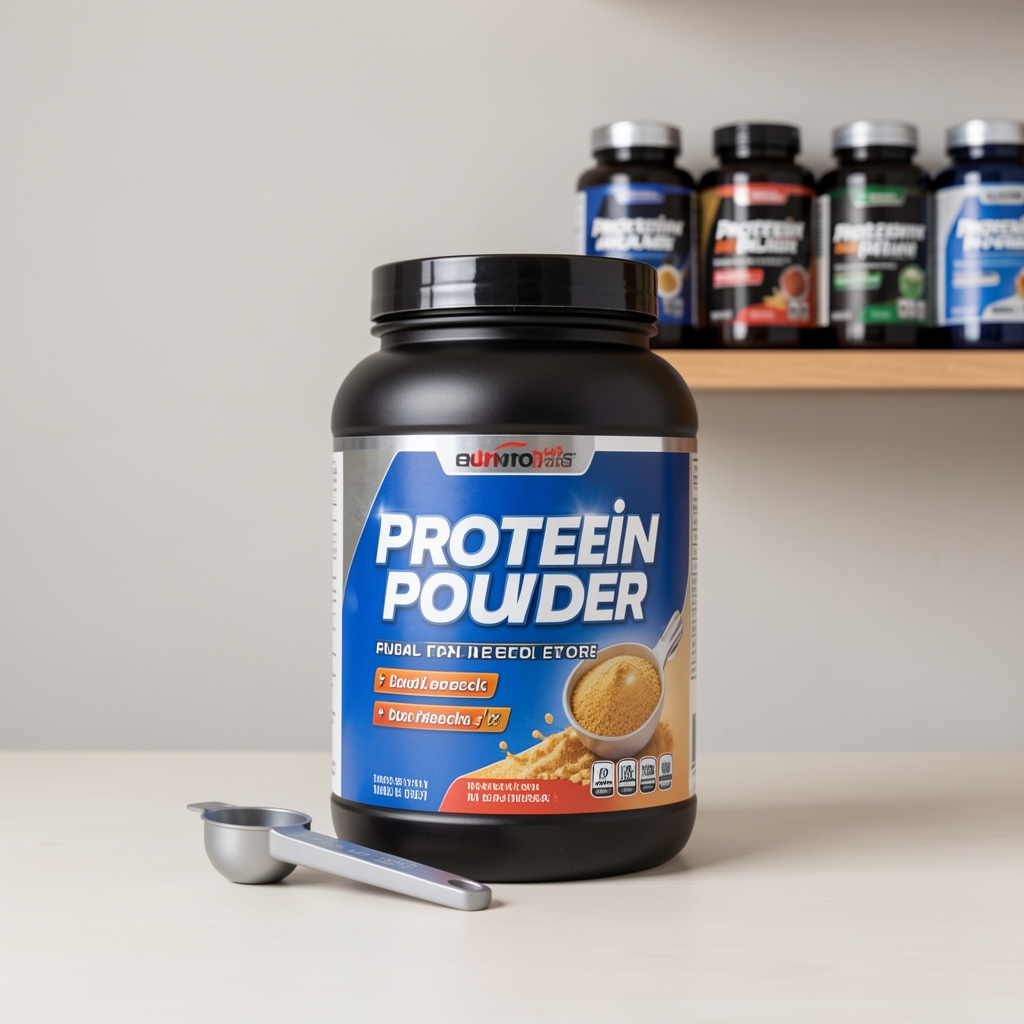
Daily supplement stack preparation — Jakarta, 2026
Creatine's position in men's supplement habits is earned by decades of published research rather than by marketing. In an era where the supplement landscape is crowded with compounds whose evidence base is thin and whose promotional register is loud, creatine stands out precisely because it requires neither exaggeration nor urgency. Its contribution to physical output over consistent daily use is documented. That, for Orano Field Notes, is enough.
Articles published on Orano Field Notes are editorial in nature and reflect the writers' observations on everyday supplementation habits and nutritional awareness for active men. The content is not intended as professional advice, nor as guidance for the management of any specific condition. Readers with specific concerns about their daily routines are encouraged to speak with a qualified wellness professional.

Reza Pratama is a Jakarta-based writer contributing to Orano Field Notes on men's supplement habits and active lifestyle nutrition. His observations focus on the intersection of training frequency, nutritional awareness, and evidence-informed supplementation practice.